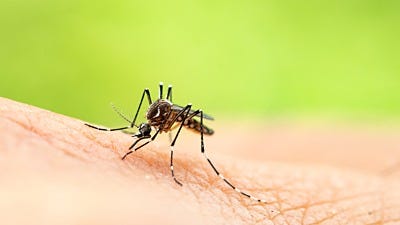
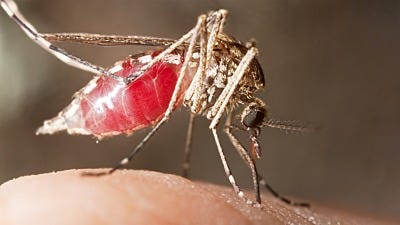
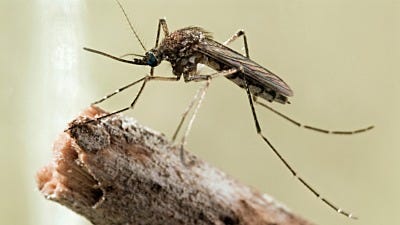
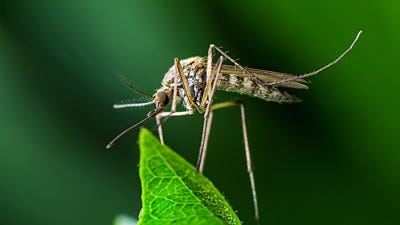
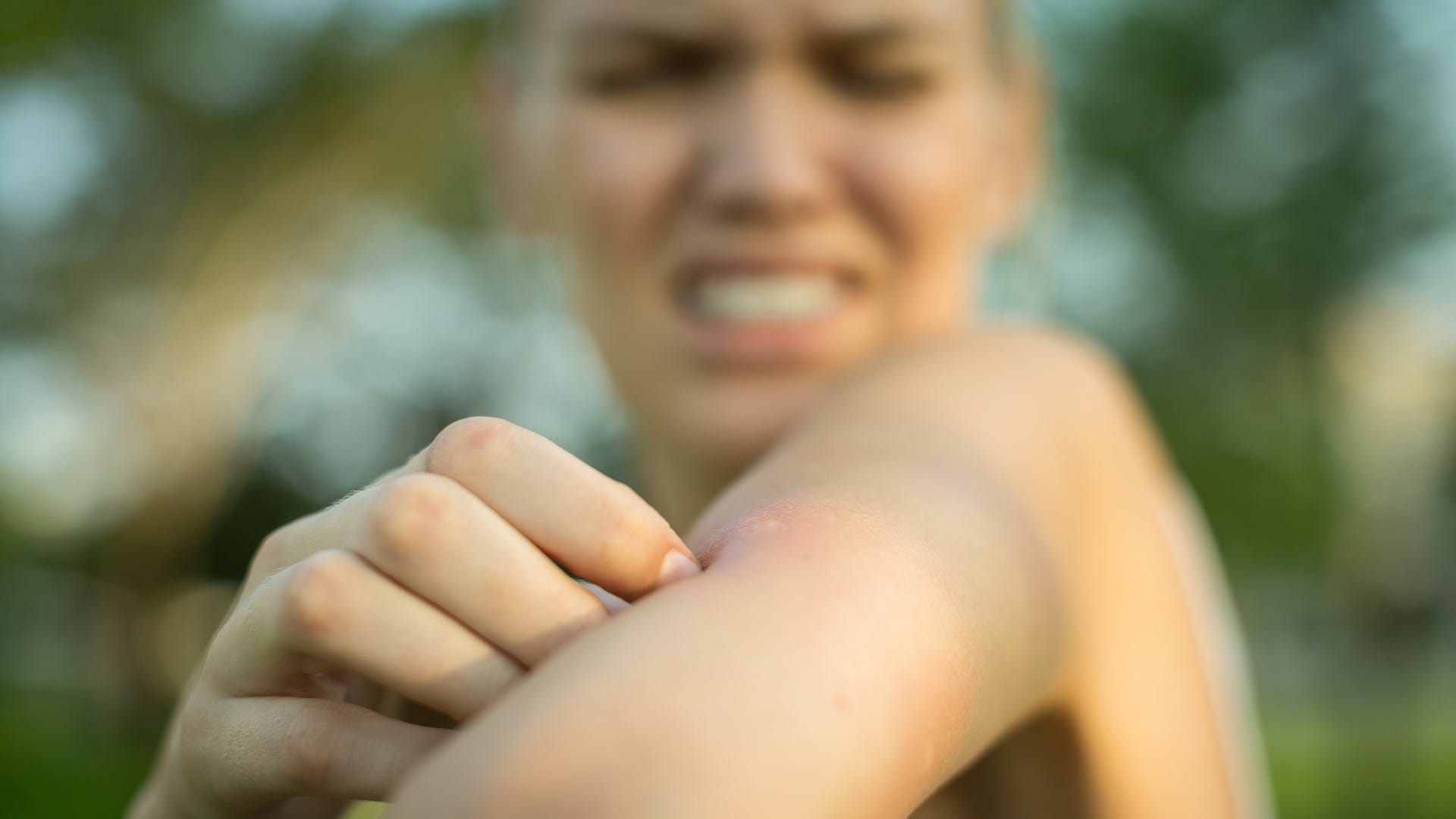
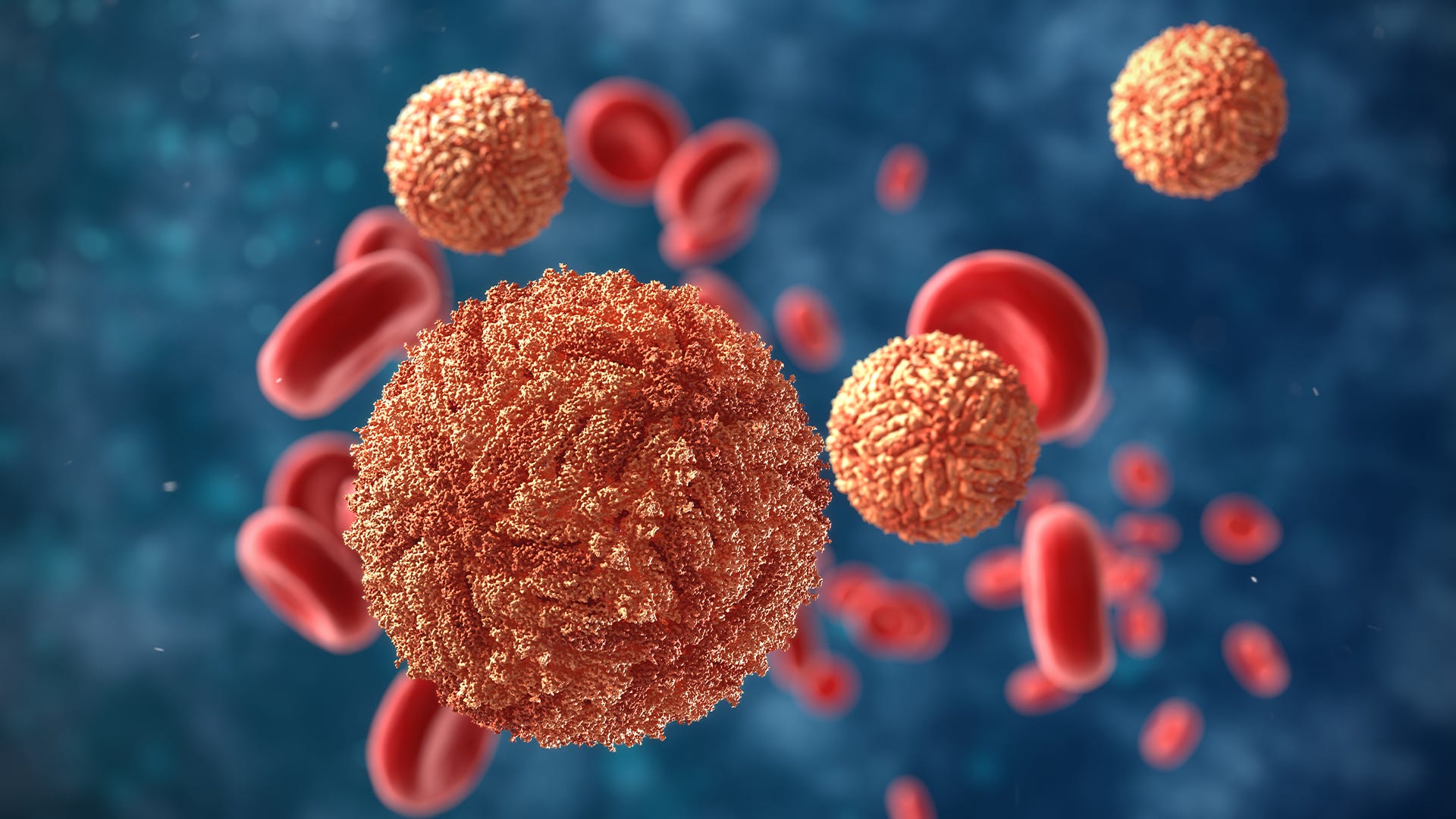
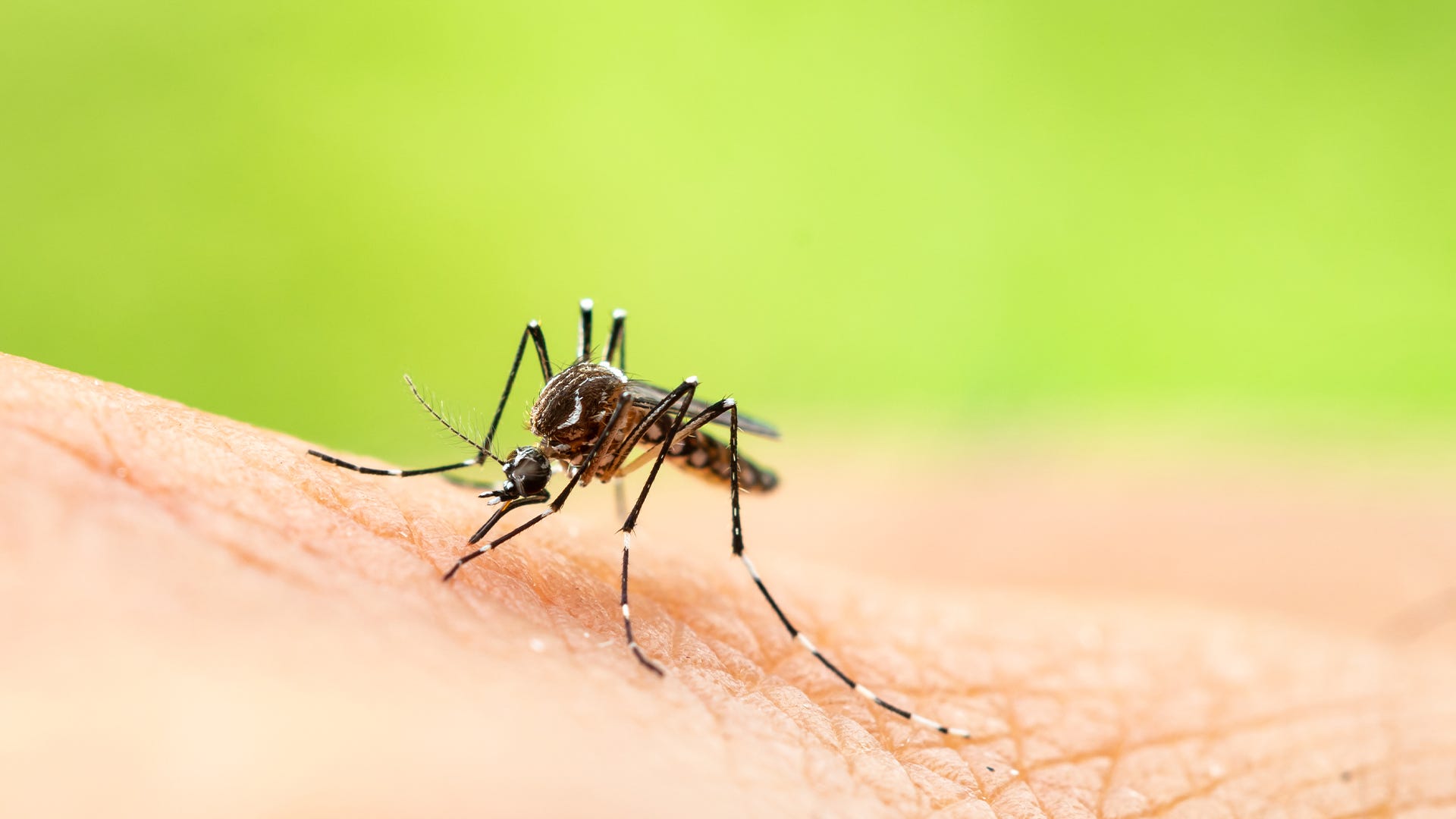
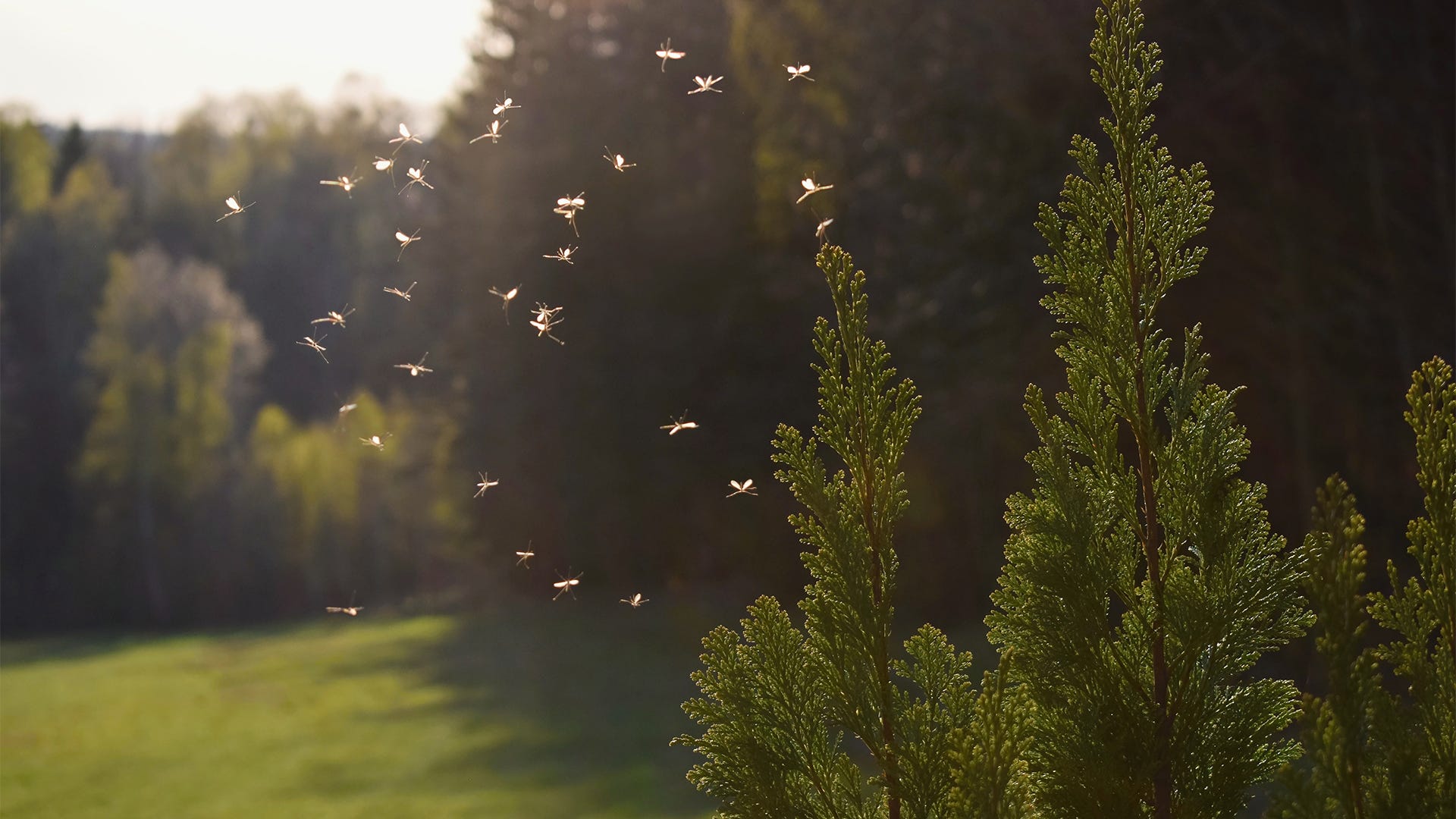
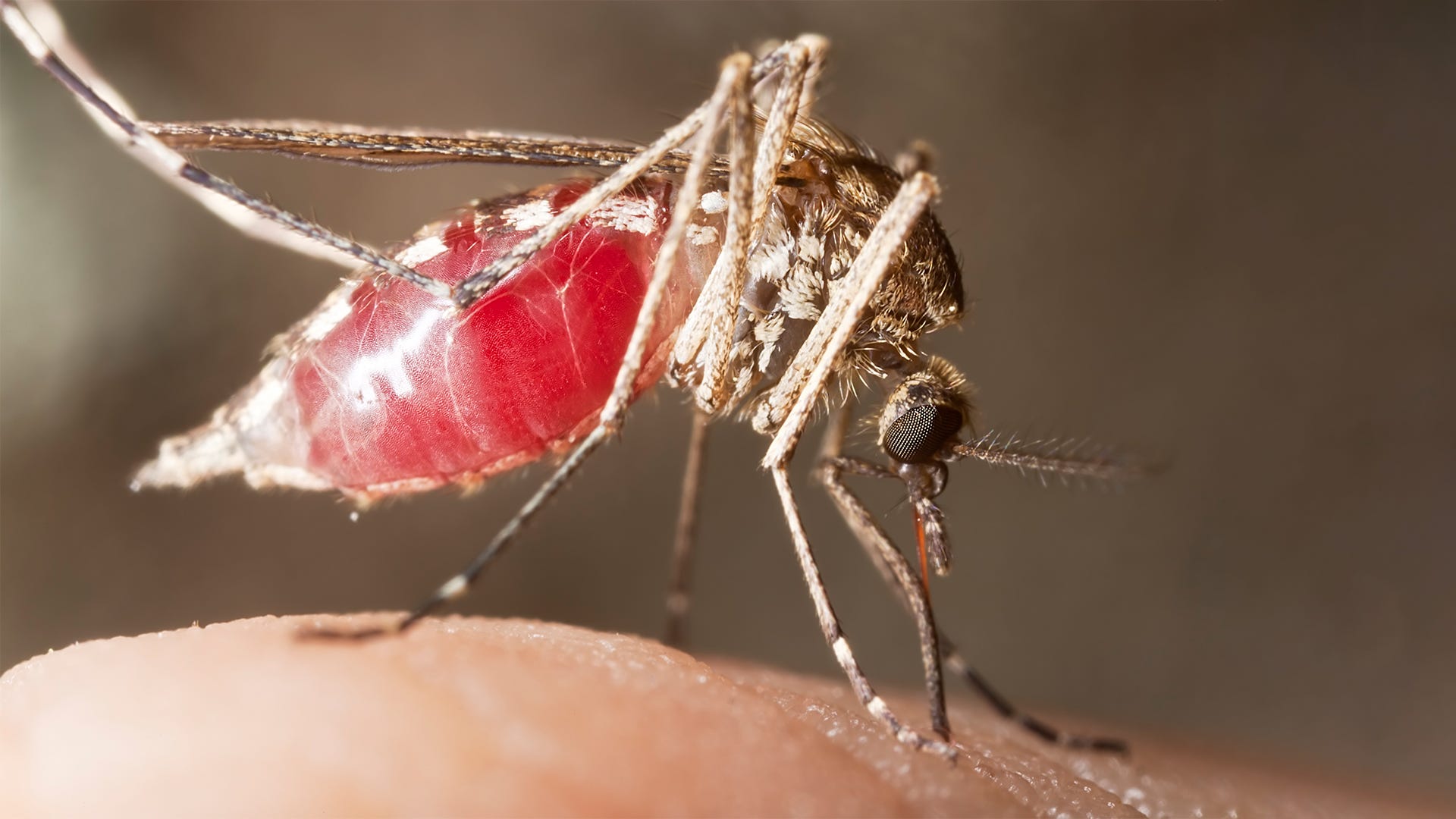
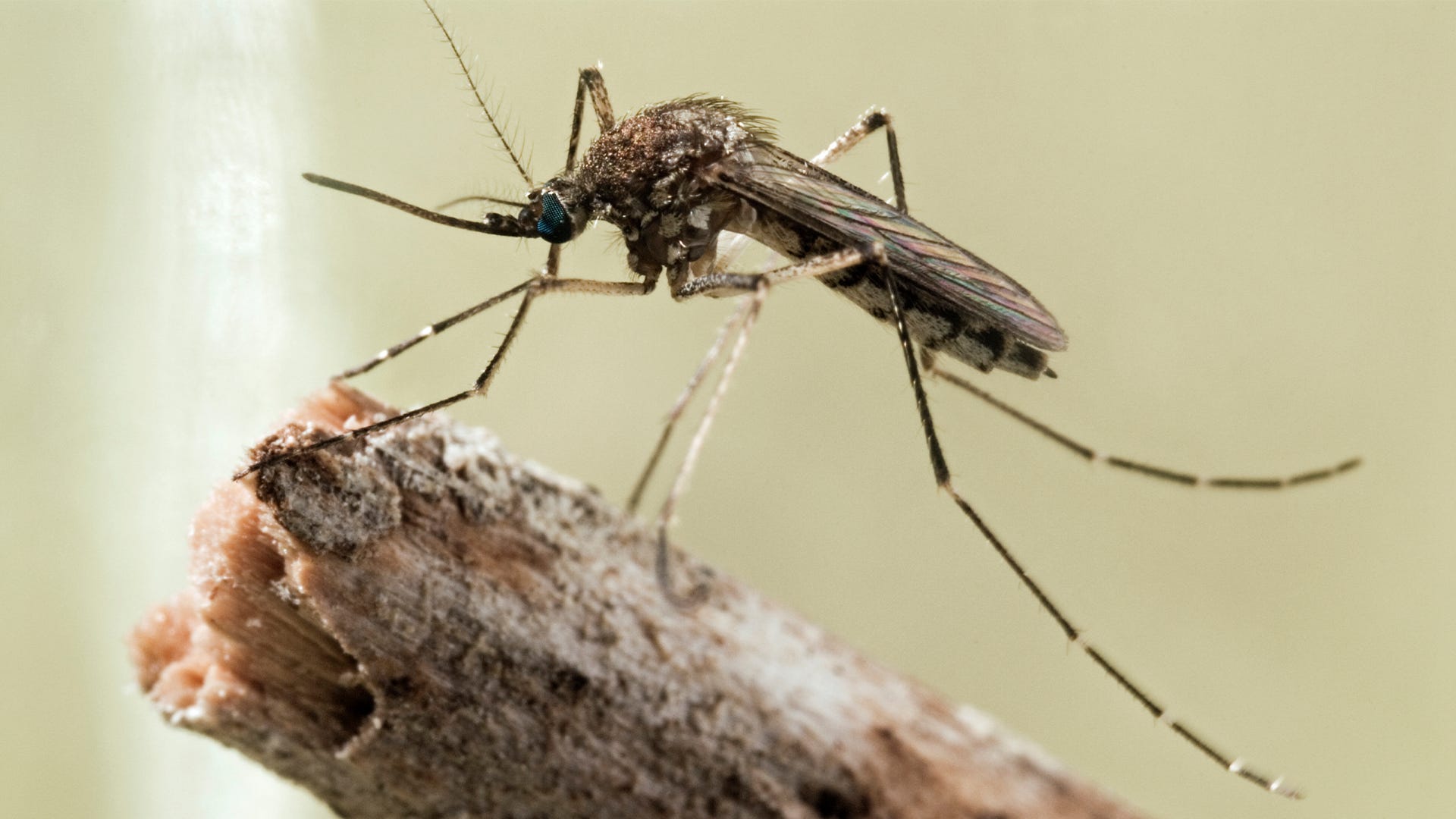
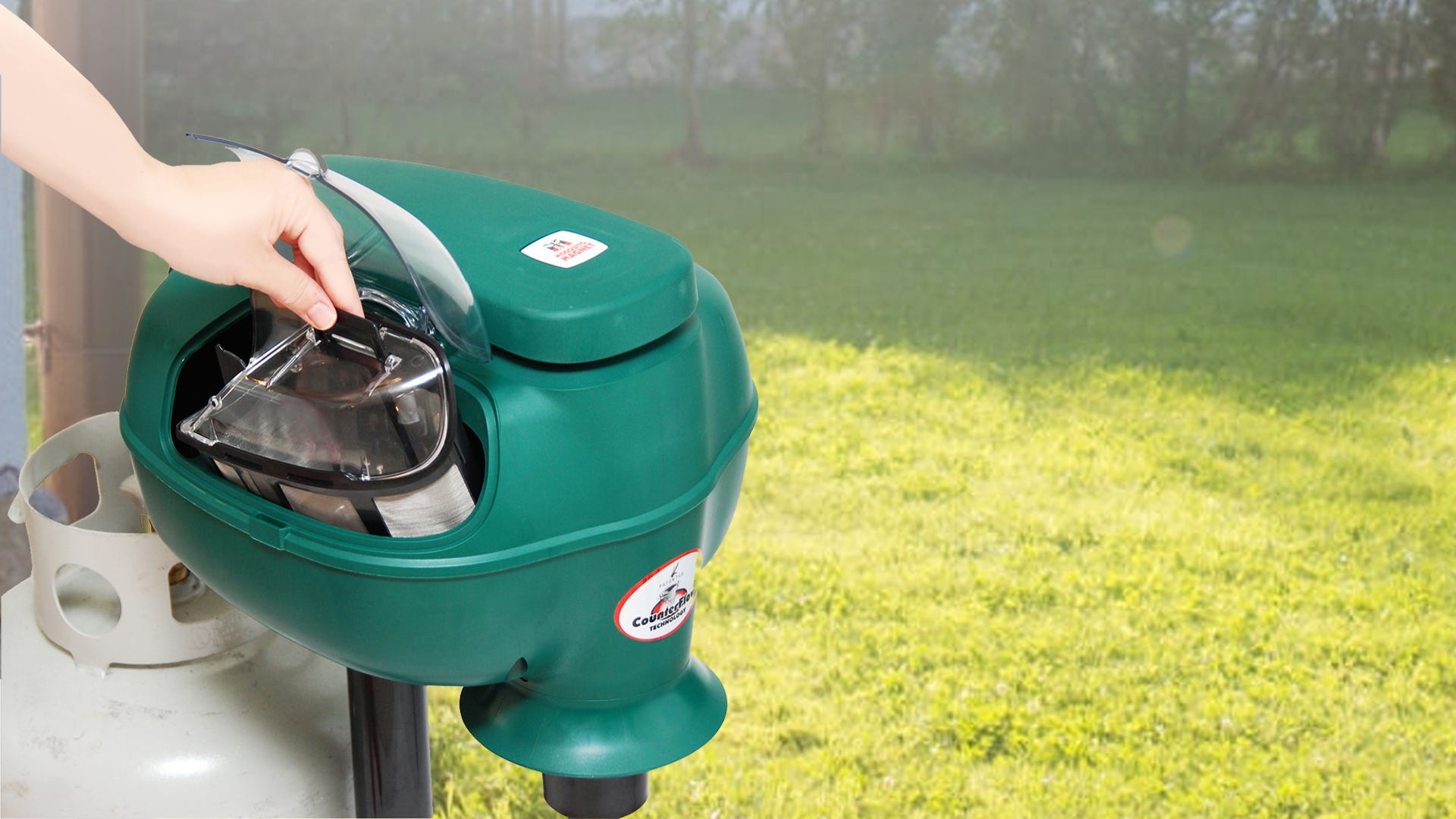
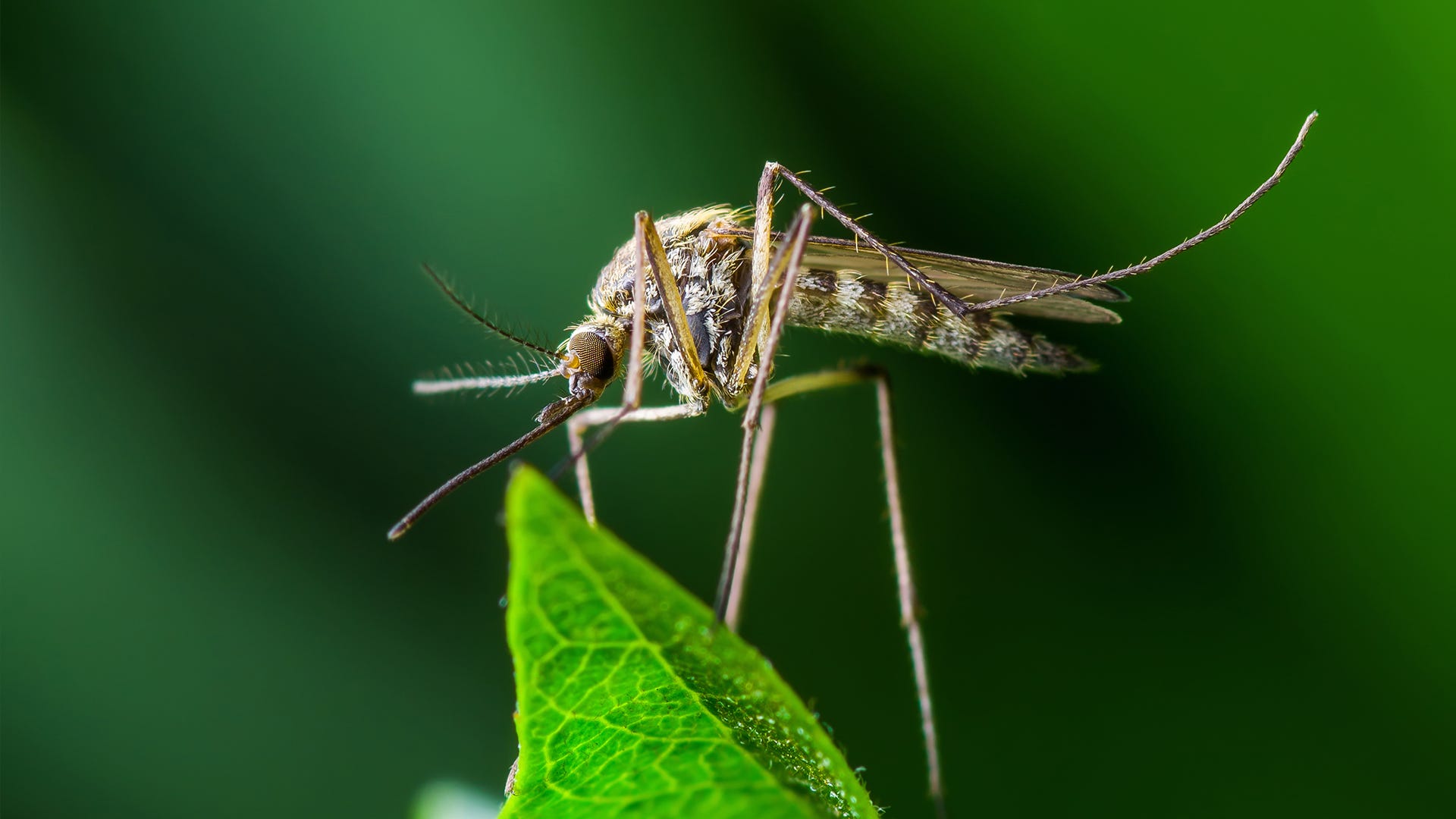
No. 1 Mosquito Trap in America Mobilizes for Heavy Biting Season While most people try to repel mosquitoes, Mosquito Magnet® specializes in attracting them – for good. A wet year plus the recent sudden warm weather could result in swarms of mosquitoes this season. Mosquito season typically runs from March to October, with June and July being the heaviest months. Mosquito Magnet offers relief from potentially dangerous bites with their patented, scientifically proven mosquito traps. The Mosquito Magnet works by producing a plume of carbon dioxide, which is the best-known attractant for mosquitoes; the carbon dioxide is safely converted from an ordinary tank of propane gas. Combined with a Mosquito Magnet attractant this creates an irresistible lure to draw biting pests to the trap where they are trapped and killed. There are two EPA-registered attractants for Mosquito Magnet traps – Octenol and Lurex3™. By using the appropriate attractant, the Mosquito Magnet’s catch rate can be increased by up to ten times. Both lures mimic human qualities that attract mosquitoes; and both are designed for use with Woodstream Corporation’s Mosquito Magnet® trap. Use of an attractant – such as Octenol or Lurex3™ – is recommended for optimal performance of the Mosquito Magnet trap. Octenol mimics human breath and attracts most mosquito species, including salt marsh mosquitoes. Lurex3™ is a patent-pending lure that mimics naturally occurring human skin scents known to attract a day-biting mosquito – the Asian Tiger. Those who live on the coast or in Northern regions of the U.S. should use Octenol to attract mosquitoes, no-see-ums and black flies. Those who live in the Southern regions of the U.S. and in Hawaii should use Lurex3™ to control the day-biting, Asian Tiger mosquito. “Mosquitoes are more than just annoying,” said Category Development Manager Andrea Long. “They’re known to spread many diseases, ranging from West Nile Virus to Heartworm. Mosquito Magnet traps, in conjunction with our attractants, can help reduce mosquito populations and in turn reduce the risk of being bitten by a disease-carrying mosquito.” Mosquitoes have also been linked to malaria, dengue fever, encephalitis and yellow fever. |